




Style Focused programme
This is for people who recognise that attachment patterns are causing problems across several areas of life, including relationships, work and how they relate to themselves, and wish to become more securely attached.
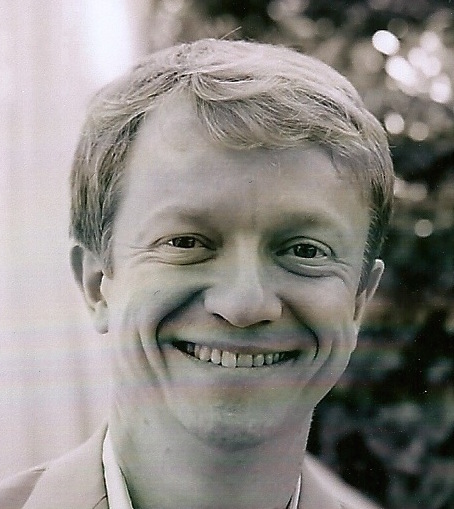
Dr Lee Alexander
That was how it felt for me too.
During the pandemic, when my own life came to a sudden halt, attachment theory explained what that something was.
Attachment patterns are strategies we learned earlier in life. When they outlive their usefulness, they can stand in the way of the very things we want most.
I'm Dr Lee, a former family physician turned attachment style coach.
I help my clients understand their patterns. The fears that drive them. And the beliefs that keep them alive. I go beyond attachment-style labels to pinpoint the precise places where their patterns can be broken and, using established, evidence-informed techniques, replaced with healthier responses that better serve them in achieving the things they value.
Attachment patterns don't have to be permanent. And they don't have to define what you're capable of.
Together we can change them.
How attachment theory works in everyday life.
Most people don't land on my website by accident.
Usually, they're here because they've hit a roadblock.
Patterns of thinking or behaving keep showing up despite their best intentions, in relationships, at work, or across several areas of life at once.
If this is you, you might recognise some of these patterns:
At the time, these don't feel like patterns. They feel like who we are.
"I’m not good at relationships"
"I’m so indecisive”
"I'm bad with conflict."
"I'm a terrible perfectionist."
They aren't personality traits, however.
They are strategies, learned earlier in life when our needs, in those moments, felt threatened.
They’re what, at some point, you NEEDED TO BE, TO DO, or TO LET GO OF in order to stay safe and connected.
Attachment wounds don't have to be the result of traumatic experiences.
They can arise just as easily in seemingly happy families with well-meaning parents.
All that's required is for certain situations to be handled in less-than-ideal ways, on enough occasions.
Examples of this might be:
These behaviours aren't random.
They're strategies that delivered the best outcome available at the time, given the circumstances.
They're not just understandable. They make perfect sense.
If you've experienced problems like this you may have done some reading, had therapy, or come across the language of attachment theory already.
You may already know your attachment style.
You may understand what anxious or avoidant patterns look like.
You may even have an understanding of your own patterns, what triggers them and where they came from.
Yet despite all of that, when a trigger comes along, the same patterns show up again, as if on autopilot.
This is why people often get stuck:
If the response happens automatically, before the more reflective part of your mind has time to step in, insight only serves to offer an explanation AFTER THE EVENT, and AFTER THE DAMAGE HAS BEEN DONE.
Though it's undoubtedly valuable, what's needed isn't insight.
What's needed is a way to prevent the chain reaction that occurs in the moment when a trigger lands.
Changing what happens in those moments is where I can help.
Our patterns don't update themselves automatically as our lives change.
When we encounter a situation that reminds us of the past, the old response shows up, even when the protection it once offered is no longer needed.
Attachment patterns can feel fixed because they happen automatically.
But automatic doesn’t mean
permanent.
Our responses are strategies that were learned. And learned
strategies can be overwritten.
By learning new strategies, that fit your life as it is now, we can
stop the outdated patterns from running your current life.
We can work together in one of two ways depending on the nature of the problem and how it’s showing up.
This is for people who recognise that attachment patterns are causing problems across several areas of life, including relationships, work and how they relate to themselves, and wish to become more securely attached.
This is for people who have a specific issue: a recurring pattern they wish to change, even if they don't fully understand why it keeps happening.
Attachment coaching tends to suit people who recognise that attachment patterns are playing a negative role in their life and are frustrated that insight hasn't translated into change. People who are reflective, who may have already done some reading, therapy, or self-work, and who want a practical, structured way forward rather than more explanation of ‘why’.
The coaching process is supportive, but it’s also very interactive and the best results can only be achieved by engaging with it and ‘doing the work’.
If you're looking primarily for more open-ended emotional support, traditional counselling or psychotherapy would likely serve you better.
If the themes on this page resonate with you and you’d like to explore whether attachment style coaching is likely to be helpful to you, a short conversation is usually the simplest way to find out.